


Becoming a new driver in the United Kingdom is an exciting milestone. Passing the driving test brings independence, flexibility, and new opportunities. Yet for many newly qualified motorists, the excitement fades quickly when insurance quotes start appearing on screen. Premiums for new drivers are among the highest in Europe, often running into thousands of pounds per year.
The good news is that high quotes are not unavoidable. With the right strategy, research, and informed decisions, it is entirely possible to reduce the cost of car insurance significantly — even as a first-time driver.
This comprehensive guide explains exactly how new drivers in the UK can secure cheaper car insurance, why premiums are so high in the first place, and what practical steps genuinely make a difference.
Why Is Car Insurance So Expensive for New Drivers?
Insurance pricing is based on risk assessment. According to data from the UK government’s road safety statistics published by the Department for Transport, young and inexperienced drivers are statistically more likely to be involved in road accidents. Insurers price premiums based on these risk patterns.
The industry regulator, the Financial Conduct Authority (FCA), outlines how insurers must price policies fairly, but pricing models still rely heavily on actuarial risk analysis. As a result:
- Lack of driving history increases perceived risk
- Drivers under 25 are statistically more likely to make claims
- First-year drivers are more prone to minor collisions
Understanding this risk-based system is the first step toward lowering premiums. Insurance is not personal — it is statistical.
Choose the Right Type of Insurance Cover
In the UK, there are three main levels of cover:
- Third Party Only
- Third Party, Fire and Theft
- Comprehensive
Many new drivers assume that Third Party Only will be cheapest. Surprisingly, this is often not true. According to guidance from the Money Advice Service (now part of the government-backed MoneyHelper service), comprehensive policies can sometimes be cheaper because they are often purchased by lower-risk drivers.
Insurers may view drivers choosing minimal cover as higher risk. Therefore, comparing all three options is essential before assuming the cheapest tier is the most affordable.
Use Comparison Websites — But Use Them Strategically
Price comparison platforms such as Compare the Market, GoCompare, and MoneySuperMarket allow drivers to compare dozens of insurers at once. However, simply accepting the lowest quote is not always wise.
The Financial Conduct Authority advises consumers to:
- Check excess amounts carefully
- Review policy exclusions
- Ensure personal details are 100% accurate
Even minor discrepancies in occupation, mileage, or parking location can significantly alter pricing.
Key tip: Run comparisons at least 21 to 26 days before your intended start date. Insurers often reward advance planning with lower premiums.
Consider a Telematics (Black Box) Policy
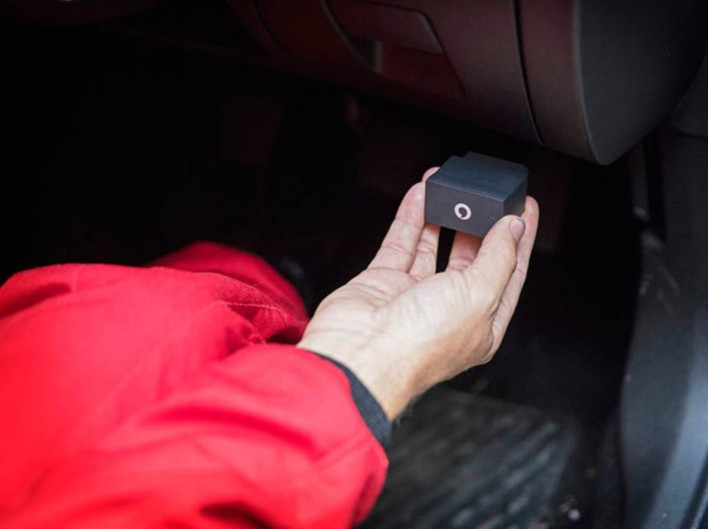
Telematics insurance uses a device or smartphone app to monitor driving behaviour, including speed, braking, acceleration, and cornering.
The Association of British Insurers explains that telematics policies reward safer driving with lower premiums. For responsible new drivers, this can reduce costs dramatically.
Advantages include:
- Lower upfront premiums
- Discounts for safe driving
- Improved driving habits
Potential drawbacks:
- Driving curfews on some policies
- Higher renewal costs if driving scores are poor
For disciplined drivers, telematics is often the most effective way to reduce first-year insurance costs.
Choose the Right Car — It Makes a Massive Difference

Vehicle choice is one of the most powerful pricing factors.
Cars in the UK are assigned insurance groups from 1 (cheapest to insure) to 50 (most expensive). The system is managed by Thatcham Research, the automotive risk intelligence organisation used by insurers.
Lower insurance group cars typically:
- Have smaller engines
- Cost less to repair
- Have strong safety features
- Are less attractive to thieves
Examples often found in low insurance groups include:
- Vauxhall Corsa
- Toyota Aygo
- Hyundai i10
Before buying a car, always check its insurance group rating via Thatcham Research or insurer tools.
A sporty 1.6L engine can double or triple insurance costs compared to a modest 1.0L hatchback.
Add an Experienced Named Driver
Adding a parent, guardian, or experienced motorist as a named driver can reduce premiums — provided they genuinely use the car occasionally.
The key rule is honesty. The Financial Conduct Authority warns against “fronting,” where a more experienced driver is falsely listed as the main driver. This is illegal and can invalidate insurance.
When done correctly, adding a responsible older driver can lower perceived risk and reduce premiums.
Increase Your Voluntary Excess Carefully
Insurance excess is the amount paid toward a claim before the insurer covers the rest.
There are two types:
- Compulsory excess
- Voluntary excess
Increasing voluntary excess can lower premiums. However, it must remain affordable. If the excess is set too high, making a claim becomes financially difficult.
A balanced approach is best — reduce the premium without creating financial strain.
Improve Vehicle Security
Insurers value secure parking and anti-theft devices.
According to police guidance from Secured by Design, vehicles with approved immobilisers and alarms are less likely to be stolen.
Ways to reduce risk:
- Park in a locked garage overnight
- Install a Thatcham-approved alarm
- Fit a steering wheel lock
- Avoid parking in high-crime areas
Even postcode matters. Urban areas often have higher premiums due to theft and accident frequency.
Pay Annually If Possible
Monthly insurance payments include interest charges. Paying annually can save between 5% and 15% overall.
For drivers unable to pay upfront, comparing credit options carefully is important. Interest rates on monthly premiums can be surprisingly high.
Build a No Claims Bonus (NCB) Quickly
A No Claims Bonus is one of the most powerful long-term cost reducers.
After one claim-free year, drivers typically receive a discount. Over time, this can increase significantly.
The Association of British Insurers explains that safe, claim-free driving reduces risk and premiums year after year.
Protecting a No Claims Bonus later can also prevent large premium increases after minor claims.
Avoid Unnecessary Modifications
Modifications dramatically increase insurance costs.
Examples include:
- Alloy wheels
- Body kits
- Engine remapping
- Aftermarket exhaust systems
Even cosmetic changes can increase premiums because modified cars are statistically more likely to be involved in accidents or theft.
Always declare modifications honestly. Failure to do so can void the policy entirely.
Be Accurate About Your Job Title
Occupation affects insurance pricing more than many expect.
For example:
- “Student”
- “Part-time retail assistant”
- “Administrative assistant”
Small wording differences can change premiums. Always select the most accurate description offered in dropdown options.
Never misrepresent employment details. Fraud invalidates policies.
Limit Annual Mileage
Lower mileage reduces accident exposure.
Drivers covering 5,000 miles annually typically pay less than those driving 15,000 miles.
Estimate mileage realistically. Underestimating and exceeding declared mileage can cause problems during claims.
Advanced Driving Courses Can Help
Courses such as Pass Plus aim to build skills beyond the standard driving test.
The official Pass Plus scheme is supported by the Driver and Vehicle Standards Agency (DVSA). Some insurers offer discounts to drivers who complete advanced courses.
While discounts are not guaranteed, improved driving skills can reduce long-term risk and claims.
Avoid Automatic Policy Renewal Without Checking
Insurers often increase renewal prices.
The Financial Conduct Authority introduced new rules requiring insurers to show last year’s premium at renewal to promote fairness. Even so, shopping around each year remains essential.
Loyalty rarely results in the cheapest rate.
Attractive Comparison Table: Factors That Impact New Driver Insurance Costs
| Factor | Increases Cost | Decreases Cost |
|---|---|---|
| Car Engine Size | Large engine (1.6L+) | Small engine (1.0L–1.2L) |
| Insurance Group | Group 20+ | Group 1–5 |
| Driving History | No experience | 1+ year claim-free |
| Payment Method | Monthly instalments | Annual payment |
| Modifications | Aftermarket upgrades | Standard factory spec |
| Parking | Street parking | Garage parking |
| Policy Type | Third Party Only (sometimes) | Comprehensive (often competitive) |
| Driving Monitoring | No telematics | Black box policy |
Small improvements across several areas can combine to create meaningful savings.
Frequently Asked Questions
How much does car insurance cost for a new driver in the UK?
Premiums vary based on age, postcode, and vehicle choice. Young drivers under 25 typically pay the highest rates. Shopping around, choosing a low insurance group car, and considering telematics can reduce costs significantly.
Is it cheaper to insure a car in a parent’s name?
No. Listing someone else as the main driver when the car is primarily used by a new driver is considered insurance fraud (fronting). It can invalidate the policy and lead to serious legal consequences.
Does adding a named driver always reduce insurance?
Often yes, but only when the named driver is genuinely experienced and low-risk. Insurers assess each case individually.
Does a black box policy limit driving?
Some telematics policies include curfews or mileage limits. Others simply monitor driving behaviour. Always check terms before purchasing.
Can changing job title reduce insurance legally?
Yes, if the alternative job title accurately reflects the role. Accuracy is essential — misleading information invalidates insurance.
When is the best time to buy insurance?
Research suggests quotes are often cheaper when purchased 3–4 weeks before the policy start date. Last-minute purchases can increase costs.
Long-Term Strategy: Think Beyond the First Year
The first year is typically the most expensive. The real savings begin after building:
- One year No Claims Bonus
- Clean driving record
- Demonstrated low-risk behaviour
Drivers who remain claim-free often see substantial premium reductions in years two and three.
Insurance is a long-term financial strategy, not a one-time purchase decision.
Final Thoughts: Smart Choices Beat High Premiums
Car insurance for new drivers in the United Kingdom is undeniably expensive — but it is not uncontrollable.
Every major pricing factor can be influenced:
- Choose a low insurance group car
- Consider telematics
- Compare quotes early
- Avoid modifications
- Build a No Claims Bonus
- Pay annually where possible
Insurance companies price risk. By actively reducing risk — both statistically and behaviourally — new drivers can lower premiums year after year.
Patience, planning, and informed decision-making consistently outperform shortcuts. With careful choices, even first-time drivers can secure affordable, comprehensive protection on UK roads.
Driving independence does not have to come with overwhelming insurance costs. The right knowledge turns a daunting expense into a manageable one — and that makes all the difference.