

Choosing car insurance is not just a legal requirement in many countries—it is a financial decision that can protect or destabilize long-term savings. Understanding the difference between fully comprehensive and third party car insurance helps drivers make informed, cost-effective decisions based on risk, vehicle value, and personal circumstances.
Motor insurance works on a simple principle: transferring financial risk from the vehicle owner to an insurer. However, not all policies provide the same level of protection. Some only cover damage caused to others, while others extend protection to the insured vehicle as well.
This guide explains both policy types clearly, compares them in depth, and offers practical insights to help determine which option is most suitable.
What Is Third Party Car Insurance?
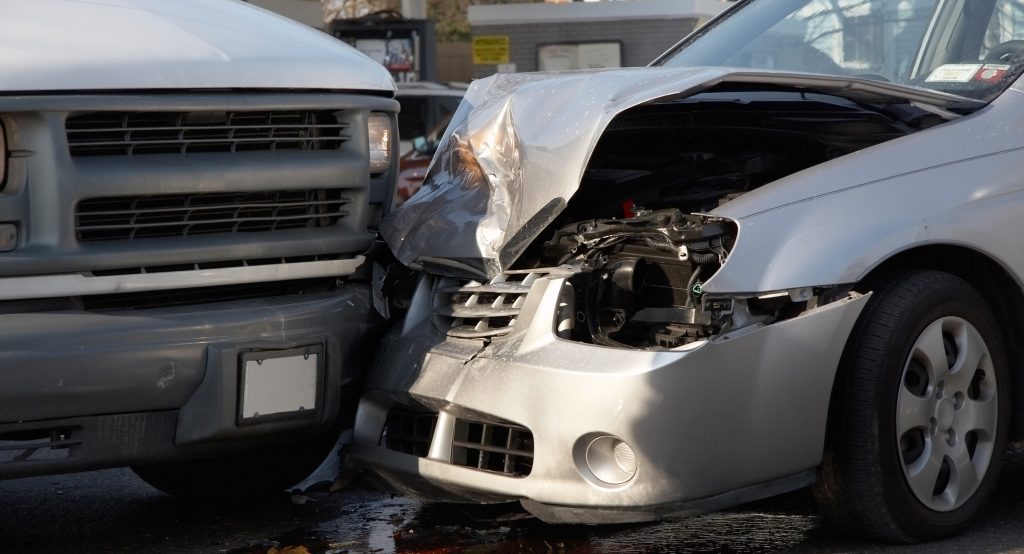
Third party car insurance is the most basic level of motor coverage. In many regions, including the UK and India, it is the minimum legal requirement for driving on public roads.
According to the UK’s Association of British Insurers, third party insurance covers:
- Damage to another person’s vehicle
- Damage to third-party property
- Injury to other road users
- Legal costs arising from claims
It does not cover damage to the insured driver’s own car.
Government authorities such as the UK’s GOV.UK emphasize that driving without at least third party insurance can result in penalties, fines, or vehicle seizure.
What Third Party Insurance Typically Covers
- Repairs to another driver’s vehicle after an accident
- Medical expenses for injured third parties
- Damage to roadside property, buildings, or infrastructure
- Legal representation and claim settlements
What It Does Not Cover
- Damage to the insured vehicle
- Theft of the insured vehicle
- Fire damage to the insured vehicle
- Personal injury to the policyholder (unless separately included)
Third party insurance is designed to protect others from financial loss caused by the insured driver—not to protect the driver’s own vehicle.
What Is Fully Comprehensive Car Insurance?
Fully comprehensive insurance provides broader protection. It includes everything covered under third party insurance but extends coverage to the policyholder’s own vehicle.
Consumer guidance from Money Advice Service explains that comprehensive policies often include:
- Repairs to the insured vehicle after an accident (even if at fault)
- Theft and attempted theft
- Fire damage
- Vandalism
- Storm or flood damage
Some policies also include extras such as windscreen repair, courtesy car replacement, or personal accident cover.
Key Coverage Areas
- Accidental damage to the insured vehicle
- Theft and fire
- Third-party injury and property damage
- Natural disaster damage (depending on policy terms)
While comprehensive insurance offers broader protection, coverage details vary between insurers. It is important to review policy documents carefully.
The Core Difference Between the Two
At its core, the difference lies in who is financially protected.
Third party insurance protects others from losses caused by the insured driver. Fully comprehensive insurance protects both others and the insured driver’s vehicle.
Financial education platforms such as Investopedia highlight that comprehensive coverage significantly reduces personal financial exposure after accidents, especially when vehicle repair costs are high.
Attractive Comparison Table: Fully Comprehensive vs Third Party Insurance
| Feature | Third Party Insurance | Fully Comprehensive Insurance |
|---|---|---|
| Legal requirement | Yes (minimum level) | Yes (exceeds minimum) |
| Covers damage to other vehicles | ✔ | ✔ |
| Covers injury to others | ✔ | ✔ |
| Covers damage to your own vehicle | ✘ | ✔ |
| Covers theft of your car | ✘ | ✔ |
| Covers fire damage | ✘ | ✔ |
| Covers vandalism | ✘ | ✔ |
| Premium cost | Usually lower | Usually higher |
| Financial risk to policyholder | High | Lower |
The table clearly shows that the additional premium for comprehensive coverage provides significantly broader financial protection.
Why Fully Comprehensive Insurance Often Makes Financial Sense
It may seem logical that third party insurance is cheaper. However, pricing does not always follow that pattern. Data from the UK’s Financial Conduct Authority indicates that insurers assess risk based on driver behavior, claims history, and demographics—not just coverage type.
In some cases, comprehensive policies can be similarly priced—or even cheaper—than third party policies because drivers selecting comprehensive coverage may statistically present lower risk profiles.
Repair costs for modern vehicles are rising due to advanced technology, sensors, and integrated safety systems. Research from the Insurance Information Institute highlights that vehicle repair expenses have increased significantly over the past decade. Even minor collisions can result in expensive repairs.
Without comprehensive coverage, those costs fall entirely on the vehicle owner.
When Third Party Insurance May Be Appropriate
Third party insurance may be suitable when:
- The vehicle has very low market value
- Replacement cost is minimal
- The driver is comfortable accepting personal repair costs
- Budget constraints are strict
For older vehicles nearing the end of their usable life, paying higher premiums for comprehensive coverage may not always be financially justified.
However, even older vehicles can incur significant repair bills after collisions. That risk should be carefully evaluated.
Understanding Real-World Risk Exposure
Motor accidents are more common than many drivers assume. Traffic safety data from the World Health Organization reports millions of road traffic injuries globally each year.
While third party insurance protects against liability claims, it does nothing to protect against:
- Hit-and-run incidents
- Weather-related damage
- Theft
- Parking lot collisions where fault cannot be recovered
Comprehensive insurance reduces exposure to these unpredictable events.
Cost Differences: What Actually Affects Premiums?
Premium pricing is influenced by multiple factors:
- Driver age and experience
- Location and crime rate
- Vehicle type and value
- Claims history
- Annual mileage
Research published by National Association of Insurance Commissioners confirms that underwriting considers statistical risk patterns rather than simple coverage labels.
This explains why comprehensive coverage is not always dramatically more expensive.
Add-Ons and Policy Extensions
Fully comprehensive policies may include optional add-ons:
- Zero depreciation cover
- Engine protection
- Roadside assistance
- Return-to-invoice cover
- No-claims bonus protection
These add-ons increase premium costs but enhance financial security.
Third party insurance generally offers limited or no customization.
The Myth That Third Party Is Always Cheaper
A common misconception is that third party insurance automatically costs less. While often true, it is not guaranteed.
Insurers assess driver risk more heavily than coverage level. Drivers opting for minimal coverage sometimes statistically fall into higher-risk groups, which can increase premiums.
Comparing quotes through regulated comparison platforms or directly through insurers provides clarity.
Legal and Regulatory Perspective
In many countries, third party coverage is mandatory. For example, in the UK, regulations outlined by GOV.UK require at least third party insurance to drive legally.
Driving uninsured can result in:
- Fixed penalties
- Points on a license
- Court prosecution
- Vehicle seizure
Comprehensive insurance exceeds legal minimums and provides broader financial protection.
Financial Impact After an Accident
Consider a mid-range vehicle with modern safety technology. A collision damaging bumpers, sensors, and airbags can easily cost thousands in repairs.
With third party insurance:
- The other driver’s vehicle is repaired.
- The policyholder pays for their own repairs.
With comprehensive insurance:
- Both vehicles are covered (subject to excess).
In high-cost repair scenarios, comprehensive coverage often offsets the additional premium paid.
Theft and Natural Disasters
Vehicle theft remains a concern in many urban areas. According to insurance industry research from the Insurance Information Institute, theft claims represent a substantial portion of comprehensive payouts.
Similarly, flooding, hailstorms, and extreme weather events have increased globally. Third party insurance offers no protection in these cases.
Comprehensive coverage typically includes protection against these risks.
Evaluating Vehicle Value
A practical way to decide between policy types is to compare:
- Annual premium difference
- Vehicle market value
- Potential repair cost
If repair costs approach or exceed the car’s value, comprehensive insurance may be worthwhile.
For low-value vehicles where replacement is affordable, third party coverage may be acceptable.
Psychological and Financial Security
Financial protection is not only about cost—it is about stability. Comprehensive coverage reduces uncertainty and unexpected expenses.
Budgeting becomes more predictable when major repair costs are insured rather than self-funded.
For households with tight financial margins, comprehensive insurance can prevent debt accumulation following accidents.
Frequently Asked Questions
Is fully comprehensive insurance always better?
It provides broader protection but may not be cost-effective for very low-value vehicles. The decision depends on vehicle worth, financial flexibility, and risk tolerance.
Can comprehensive insurance be cheaper than third party?
Yes. Insurers assess risk differently across customer segments. In some markets, comprehensive premiums are competitive or lower.
Does third party insurance cover my car if someone else hits it?
If the other driver is at fault and insured, their insurance should cover your repairs. However, if the driver is uninsured or cannot be identified, third party coverage alone does not protect your vehicle.
What does “excess” mean in comprehensive insurance?
Excess refers to the amount the policyholder pays toward a claim before the insurer covers the remaining balance.
Is comprehensive insurance required by law?
No. The legal requirement in many countries is third party coverage. Comprehensive insurance is optional but recommended for broader protection.
Does comprehensive insurance cover engine failure?
Standard policies usually do not cover mechanical breakdown unless an add-on is purchased.
What happens if my car is written off?
Under comprehensive coverage, insurers typically pay the market value (or agreed value, depending on policy terms) minus excess.
Can I switch from third party to comprehensive?
Yes. Policy upgrades are possible at renewal or sometimes mid-term, subject to insurer terms.
Final Thoughts: Making the Right Choice
Fully comprehensive and third party car insurance serve different financial strategies.
Third party insurance fulfills legal requirements and protects against liability claims. It is suitable for low-value vehicles or drivers willing to accept repair risk.
Fully comprehensive insurance extends protection to the insured vehicle, covering theft, fire, vandalism, and accidental damage. It reduces financial exposure and provides greater stability in unpredictable circumstances.
The decision should be based on:
- Vehicle value
- Repair cost risk
- Personal financial resilience
- Premium comparison quotes
- Local crime and accident statistics
Motor insurance is not simply about compliance—it is about managing risk intelligently. A careful comparison of coverage levels, exclusions, and real-world financial implications ensures the chosen policy aligns with long-term financial well-being.
Understanding these differences clearly allows drivers to move beyond assumptions and make confident, informed insurance decisions that protect both their vehicles and their financial future.