


Home insurance is one of those essential expenses that quietly sits in the background—until renewal time arrives and the premium jumps. For homeowners, especially in markets where property values and rebuilding costs are rising, finding legitimate ways to reduce insurance premiums can feel overwhelming.
The good news is that lowering home insurance costs does not require cutting corners or sacrificing protection. With a strategic approach, homeowners can reduce premiums legally while maintaining robust coverage. This guide explores practical, research-backed strategies that insurance professionals regularly recommend, supported by authoritative industry resources and real-world underwriting practices.

Understanding What Drives Home Insurance Premiums
Before making changes, it helps to understand what insurers consider when setting rates. According to the National Association of Insurance Commissioners, home insurance premiums are calculated based on several risk factors, including:
- Location and regional disaster risk
- Home replacement cost
- Age and condition of the property
- Claims history
- Credit-based insurance score (in many states)
- Coverage limits and deductible amount
Insurance companies rely on actuarial data to predict the likelihood of claims. The higher the perceived risk, the higher the premium. Reducing risk—or demonstrating reduced risk—is the key to lowering costs.
Increase Your Deductible Strategically
One of the fastest and simplest ways to reduce a premium is to raise the deductible. The deductible is the amount paid out of pocket before insurance coverage begins.
The Insurance Information Institute notes that increasing a deductible from $500 to $1,000 can reduce premiums by as much as 10–25%, depending on the insurer and region.
When Increasing a Deductible Makes Sense
- Emergency savings comfortably cover the higher deductible
- Claims history is low
- The property is in a relatively low-risk area
However, choosing a deductible that is too high without adequate savings can create financial strain during a claim. The decision should align with a homeowner’s financial stability.
Bundle Home and Auto Insurance
Bundling multiple policies with the same insurer is one of the most commonly recommended savings strategies. Major carriers often offer multi-policy discounts ranging from 5% to 25%.
According to consumer guidance from Consumer Reports, bundling can produce meaningful savings, but comparison shopping remains essential because bundled rates are not always the lowest overall.
Why Bundling Works
- Reduced administrative costs for insurers
- Increased customer retention
- Lower marketing and acquisition costs
Homeowners should compare:
- Bundled premium total
- Individual policy costs
- Coverage limits and exclusions
The lowest sticker price is not always the best value if coverage gaps exist.
Improve Home Security and Safety Features
Insurance premiums reflect risk. Adding safety and protective features reduces the likelihood of claims and may qualify for discounts.

The Federal Emergency Management Agency (FEMA) recommends mitigation improvements such as reinforced roofing, storm shutters, and fire-resistant materials, particularly in disaster-prone areas.
Common Safety Upgrades That May Lower Premiums
- Monitored burglar alarms
- Smoke and carbon monoxide detectors
- Smart water leak detection systems
- Deadbolt locks
- Fire sprinklers
Insurers may require documentation or proof of installation before applying discounts. In regions prone to hurricanes or wildfires, mitigation upgrades can significantly impact premiums.
Maintain a Strong Credit Profile
In many states, insurers use a credit-based insurance score when determining rates. Research published by the Federal Trade Commission indicates that insurance scores are statistically correlated with claim frequency.
Homeowners can potentially reduce premiums by:
- Paying bills on time
- Reducing outstanding debt
- Reviewing credit reports for errors
- Limiting unnecessary credit inquiries
Not all states allow insurers to use credit-based scores, so homeowners should verify local regulations.
Avoid Small, Frequent Claims
Filing small claims may increase premiums over time. Insurers assess claim frequency as a risk indicator.
The National Association of Insurance Commissioners advises policyholders to consider whether minor repairs should be paid out of pocket rather than filed as claims, particularly when the cost is close to the deductible.
Long-Term Impact of Claims
- Multiple small claims may result in surcharges
- Policy non-renewal can occur in some markets
- Claims history may affect rates for several years
Maintaining a clean claims record is often one of the most effective long-term strategies for reducing premiums.
Reassess Coverage Limits Annually
Many homeowners over-insure personal belongings or maintain outdated coverage limits. Replacement cost should reflect current rebuilding expenses—not market value.
The U.S. Department of Housing and Urban Development (HUD) clarifies that rebuilding cost differs from resale value. Insurance covers reconstruction, not land appreciation.
Smart Coverage Review Checklist
- Confirm replacement cost estimate
- Update high-value item endorsements
- Remove unnecessary riders
- Review liability limits
Accurate coverage prevents overpaying while maintaining adequate protection.
Shop Around at Renewal Time
Rates can vary widely between insurers for identical coverage. The Insurance Information Institute recommends comparing quotes at least every two to three years.
Comparison Tips
- Request identical coverage quotes
- Verify deductible levels
- Review exclusions carefully
- Compare customer service ratings
State insurance departments, such as those listed by the National Association of Insurance Commissioners, provide tools to verify insurer licensing and complaint history.
Upgrade Plumbing, Electrical, and Roofing Systems
Older systems pose higher claim risks. Outdated wiring increases fire risk. Aging roofs increase water damage probability.
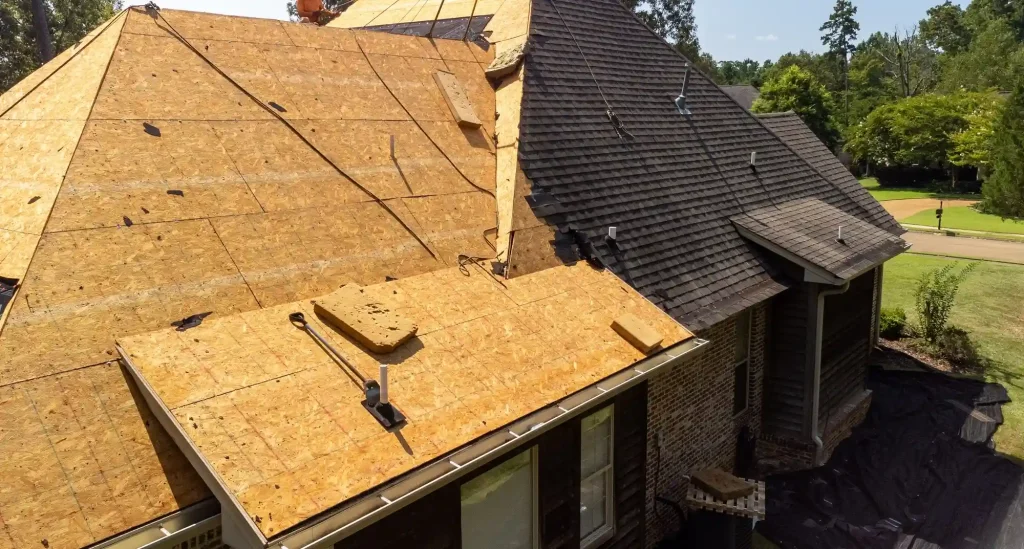
The National Fire Protection Association (NFPA) reports that electrical failures are a leading cause of residential fires. Updating wiring or roofing can reduce insurer risk assessments.
High-Impact Home Improvements
- Replace aluminum or knob-and-tube wiring
- Upgrade old plumbing systems
- Install impact-resistant roofing
- Replace aging HVAC systems
Some insurers offer discounts for documented updates completed by licensed professionals.
Consider Loyalty and Affinity Discounts
Insurers may offer discounts for:
- Long-term policyholders
- Retirees
- Professional associations
- Non-smokers
- Gated communities
The availability and value of these discounts vary. Reviewing eligibility during renewal discussions ensures no available savings are overlooked.
Reduce Liability Risks Around the Property
Certain features can increase liability exposure, including:
- Swimming pools
- Trampolines
- Aggressive dog breeds (varies by insurer)
The Centers for Disease Control and Prevention (CDC) reports thousands of non-fatal home injuries annually, which can translate into liability claims.
Installing fencing around pools, adding safety covers, and eliminating high-risk features may improve underwriting assessments.
Install Smart Home Technology
Technology is transforming risk management in insurance. Water damage claims are among the most common and costly.
Smart leak detection systems and automatic shutoff valves reduce damage severity. Insurers increasingly offer discounts for verified installations.
These proactive measures align with broader risk reduction strategies supported by organizations such as FEMA and disaster preparedness authorities.
Premium Reduction Strategies Comparison Table
| Strategy | Potential Savings | Upfront Cost | Long-Term Impact | Best For |
|---|---|---|---|---|
| Increase Deductible | 10–25% | None | Moderate | Low-claim homeowners |
| Bundle Policies | 5–25% | None | Moderate | Multi-policy households |
| Security Upgrades | 2–15% | Moderate | High | High-risk areas |
| Improve Credit | Varies | None | High | Long-term planners |
| Shop Around | Varies | None | High | All homeowners |
| Upgrade Systems | 5–20% | High | High | Older homes |
Savings vary by region, insurer, and risk profile.
Review Policy Exclusions and Optional Add-Ons
Optional endorsements can add cost. Examples include:
- Identity theft coverage
- Equipment breakdown coverage
- Scheduled jewelry riders
While valuable in certain cases, homeowners should evaluate whether coverage aligns with actual needs.
The Insurance Information Institute recommends performing a home inventory before making coverage decisions. Accurate documentation prevents both over-insuring and under-insuring.
Strengthen Disaster Resilience in High-Risk Areas
In wildfire or hurricane-prone regions, mitigation can significantly influence rates.

According to FEMA, wind-resistant construction techniques and defensible space landscaping reduce loss severity.
Examples include:
- Clearing vegetation near structures
- Installing impact-rated windows
- Reinforcing garage doors
These improvements may also improve eligibility in tight insurance markets.
Ask About Hidden Discounts
Many homeowners never request available discounts. Insurers sometimes offer savings for:
- Paperless billing
- Automatic payments
- Claims-free history
- New home construction
A brief annual conversation with an agent can uncover overlooked savings opportunities.
Frequently Asked Questions
How much can home insurance premiums realistically be reduced?
Savings vary widely based on location, insurer, and risk factors. Combining multiple strategies—such as increasing deductibles, bundling policies, and installing security systems—can reduce premiums by 15–40% in some cases.
Does filing one claim increase premiums?
Not always. However, multiple claims within a short period typically increase rates. Insurers assess frequency and severity.
Is it safe to choose the cheapest policy available?
Not necessarily. Coverage limits, exclusions, and financial strength ratings matter. Cost should be evaluated alongside protection quality.
Do home improvements always reduce premiums?
Improvements that reduce risk—such as roofing upgrades or updated wiring—often lead to savings. Cosmetic renovations usually do not affect rates.
How often should policies be reviewed?
Annual reviews are recommended. Major life events, renovations, or market changes may also justify reassessment.
Final Thoughts: Lower Costs Without Lowering Protection
Reducing home insurance premiums legally is not about cutting essential coverage—it is about aligning risk, protection, and financial planning.
The most effective approach combines:
- Risk reduction
- Strategic deductible selection
- Periodic market comparison
- Accurate coverage reviews
- Proactive communication with insurers
Homeowners who understand how underwriting works are in a stronger position to negotiate rates and identify meaningful discounts.
By focusing on documented improvements, maintaining a strong financial profile, minimizing unnecessary claims, and reviewing policies regularly, insurance costs can be managed responsibly without sacrificing security.
The goal is not simply to pay less—it is to pay appropriately for the protection needed. Careful evaluation, informed decisions, and consistent review ensure that coverage remains both affordable and comprehensive for years to come.