



Life insurance is one of those financial tools that almost everyone agrees is important—yet very few people fully understand. The confusion often starts with a simple question:
Should you choose term life insurance or whole life insurance?
Both types promise a death benefit for your loved ones. Both require regular premium payments. But under the surface, they work very differently.
This guide explains the difference between term life and whole life insurance in plain language—no industry jargon, no confusing sales pitch—just practical clarity to help you make an informed decision.
What Is Life Insurance and Why Does It Matter?
Life insurance is a contract between you and an insurance company. You pay premiums. In exchange, the insurer promises to pay a sum of money (called a death benefit) to your beneficiaries if you pass away while the policy is active.
According to the Insurance Information Institute, life insurance primarily exists to:
- Replace lost income
- Pay off debts (like a mortgage or personal loans)
- Cover final expenses
- Support dependents’ future needs (education, daily living, etc.)
The two most common types are:
- Term life insurance
- Whole life insurance
Understanding the difference between these two is crucial before signing any policy.
What Is Term Life Insurance?
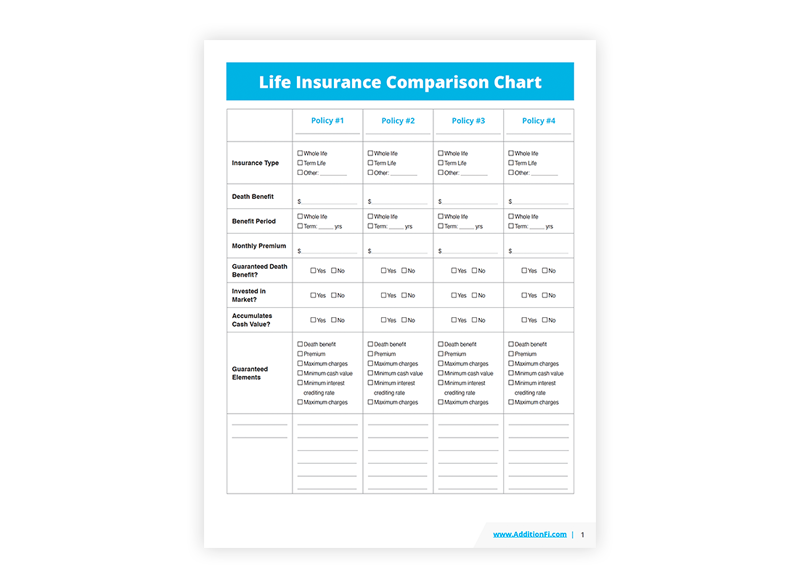
Term life insurance provides coverage for a specific period of time—typically 10, 20, or 30 years.
If the insured person dies during that term, the policy pays the death benefit. If the term expires and the person is still alive, coverage ends unless renewed.
The Consumer Financial Protection Bureau describes term insurance as straightforward and affordable because it focuses purely on protection without any investment component.
Key Features of Term Life Insurance
- Coverage lasts for a fixed number of years
- Lower premiums compared to whole life
- No cash value accumulation
- Can often be converted to permanent insurance (in some policies)
Example Scenario (Neutral and Practical)
A 30-year-old parent with young children may choose a 20-year term policy to ensure income replacement until the children become financially independent. If the parent dies during that 20-year window, the family receives the benefit. If not, the policy ends.
This structure makes term life ideal for temporary financial responsibilities like:
- Raising children
- Paying off a mortgage
- Covering business loans
What Is Whole Life Insurance?

Whole life insurance is a type of permanent life insurance. It remains in force for the insured’s entire lifetime—as long as premiums are paid.
Unlike term insurance, whole life includes a cash value component that grows over time. According to Investopedia, part of each premium goes toward building this cash value, which grows at a guaranteed rate.
Key Features of Whole Life Insurance
- Lifetime coverage
- Fixed premiums
- Guaranteed death benefit
- Cash value accumulation
- Ability to borrow against the policy
The National Association of Insurance Commissioners (NAIC) explains that permanent life policies combine insurance protection with a savings element.
Practical Example
An individual interested in leaving a guaranteed inheritance, covering estate taxes, or funding long-term planning might choose whole life insurance because it never expires as long as payments continue.
Term vs Whole Life Insurance: Side-by-Side Comparison
Quick Comparison Table
| Feature | Term Life Insurance | Whole Life Insurance |
|---|---|---|
| Coverage Length | Fixed term (10–30 years) | Lifetime |
| Premium Cost | Lower | Higher |
| Cash Value | No | Yes (guaranteed growth) |
| Investment Component | None | Built-in savings |
| Complexity | Simple | More complex |
| Ideal For | Temporary needs | Long-term financial planning |
| Flexibility | Can convert in some cases | Loans available against policy |
This table highlights the fundamental difference:
Term life is pure protection. Whole life is protection plus savings.
Cost Differences: Why Whole Life Costs More
One of the most noticeable differences is price.
The NerdWallet life insurance analysis consistently shows that term life policies can cost several times less than whole life policies for the same death benefit.
Why?
Because whole life:
- Covers you for life
- Builds cash value
- Has guaranteed returns
- Includes administrative and investment costs
Term insurance only covers risk for a defined period, making it statistically less expensive for insurers to offer.
For example:
- A healthy 30-year-old might pay relatively low monthly premiums for a large term policy.
- The same coverage in whole life could cost significantly more due to the permanent nature and savings component.
Understanding Cash Value in Whole Life Insurance
Cash value is often misunderstood.
The U.S. Securities and Exchange Commission explains that permanent life insurance policies accumulate value that can be:
- Borrowed against
- Used to pay premiums
- Withdrawn (with tax implications)
However, borrowing reduces the death benefit if not repaid. The growth rate is typically conservative compared to other investments.
This makes whole life less about aggressive investment returns and more about:
- Stability
- Guarantees
- Conservative wealth planning
When Term Life Insurance Makes More Sense
Term life insurance may be appropriate when:
- Income replacement is the main goal
- Budget constraints exist
- Coverage is needed for a specific time period
- Financial obligations are temporary
According to guidance from FINRA, many families choose term coverage during peak earning and debt years.
It provides maximum protection at a lower cost, freeing up funds for:
- Retirement accounts
- Emergency savings
- College funds
When Whole Life Insurance May Be Suitable
Whole life insurance may align better with individuals who:
- Want guaranteed lifetime coverage
- Seek predictable financial planning tools
- Have estate planning goals
- Desire forced savings through premiums
The Internal Revenue Service outlines tax considerations for life insurance, noting that death benefits are generally income tax-free to beneficiaries.
This tax treatment makes permanent policies appealing in certain long-term wealth strategies.
Investment vs Insurance: A Common Debate
A common question arises:
Should someone “buy term and invest the difference”?
Financial professionals often point out that term insurance allows individuals to invest independently in retirement accounts like 401(k)s or IRAs, potentially earning higher returns over time.
However, whole life supporters argue that guaranteed growth and lifetime coverage provide stability that market investments cannot.
The key difference lies in philosophy:
- Term life separates insurance and investing.
- Whole life combines them.
There is no universal answer—only alignment with financial goals.
Flexibility and Policy Options
Some term policies include:
- Convertible options allowing conversion to permanent insurance without a new medical exam.
- Renewable features at higher rates after the term ends.
Whole life policies may offer:
- Dividend payments (in participating policies)
- Policy loans
- Paid-up options
Understanding these features requires careful reading of policy documents and discussions with licensed professionals.
Common Misconceptions About Term and Whole Life Insurance
“Term life is a waste if you outlive it.”
Term insurance fulfills its purpose if it protects dependents during vulnerable years—even if no payout occurs.
“Whole life is always a better investment.”
Whole life is primarily an insurance product with savings features. It is not designed to outperform stock market investments.
“Young people don’t need life insurance.”
Even individuals without children may need coverage for debts, co-signed loans, or final expenses.
Frequently Asked Questions (FAQ)
1. Is term life insurance better than whole life insurance?
Neither is universally better. Term life is typically more affordable and suitable for temporary needs. Whole life offers lifetime coverage and cash value growth.
2. Can term life insurance be converted to whole life?
Many policies offer a conversion option within a specified period. Terms vary by insurer.
3. Does whole life insurance guarantee returns?
Yes, traditional whole life policies offer guaranteed cash value growth, though returns are usually modest.
4. What happens if I stop paying whole life premiums?
Policies may lapse unless sufficient cash value exists to cover payments. Specific rules depend on the policy.
5. Which type builds wealth faster?
Whole life builds cash value slowly and conservatively. Investment accounts may offer higher potential growth but involve market risk.
6. Is the death benefit taxable?
In most cases, life insurance death benefits are income tax-free to beneficiaries.
7. Can I have both term and whole life insurance?
Yes. Some individuals combine both types for layered protection.
Final Thoughts: Choosing the Right Policy for Your Situation
The difference between term life and whole life insurance comes down to one fundamental distinction:
Term life provides temporary, affordable protection.
Whole life provides permanent coverage with built-in savings.
Choosing between them depends on:
- Financial goals
- Budget
- Family responsibilities
- Long-term planning priorities
- Risk tolerance
Term life often fits individuals seeking maximum coverage at the lowest cost during working years. Whole life may suit those prioritizing guaranteed lifetime protection and conservative wealth accumulation.
The most important step is not choosing blindly. Review financial obligations. Consider how long dependents would need support. Evaluate comfort with investment risk. Compare policy structures carefully.
Life insurance is not about complexity—it is about ensuring financial stability for those who depend on you.
When understood clearly, the decision between term and whole life becomes far less intimidating—and far more strategic.